For parents and children to use together. No timer, score or account. These are original web activities, separate from the app.
Read. Think. Check the clues.
You can read the passages aloud to each other. If a word is hard to read, ask for help with the word first, then discuss its meaning. Choose any passage; there is no required order.
0 of 6 explanations explored. Go at your own pace.
01
Word in focus: sheltered
A quieter corner
The wind pushed the little plant pots across the bench. Mina moved them behind the tall garden wall. In this sheltered spot, the leaves stopped shaking and the pots stayed upright.
What does sheltered mean here?
Open the reasoning
The wall keeps the wind off the pots. The leaves stop shaking and the pots stay upright, so protected from the wind fits this use of sheltered. Nothing in the passage says the new spot is higher or full of flowers.
Talk together: Which words in the passage support that meaning?
02
Word in focus: scarce
The last blue beads
The craft box held a big pile of red beads and only two blue ones. Blue beads were scarce, so the group chose a pattern that needed just one. They saved the other blue bead for a second bracelet.
What does scarce mean here?
Open the reasoning
There are very few blue beads available. The group changes its plan to use fewer of them. That supports the meaning hard to find in enough quantity, rather than a description of their weight or shape.
Talk together: Which words in the passage support that meaning?
03
Word in focus: reluctant
One line at a time
Ari knew the opening line of the play, but stayed beside the curtain when rehearsal began. Ari was reluctant to step onto the stage. After a friend offered to practise the line together, Ari took a small step forward.
What does reluctant mean here?
Open the reasoning
Staying beside the curtain and taking only a small step after encouragement suggest hesitation. The passage does not say Ari is running or cannot hear. Reluctant describes being hesitant or unwilling at first.
Talk together: Which words in the passage support that meaning?
04
Word in focus: sturdy
The model bridge
The first cardboard bridge bent when a small toy bus rolled onto it. The team added folded supports underneath. Their new bridge was sturdy: it held the bus without bending or wobbling.
What does sturdy mean here?
Open the reasoning
Holding the bus without bending or wobbling shows that the bridge is strong and steady. The supports change its strength. The paragraph gives no information about paint, and easy folding would not explain why it holds the bus.
Talk together: Which words in the passage support that meaning?
05
Word in focus: improvise
A rhythm without a drum
The class had planned a rhythm game, but the drum was missing. They decided to improvise. One person tapped a cardboard box while another shook a jar of dry beans, and the group made a new rhythm together.
What does improvise mean here?
Open the reasoning
The box and bean jar replace the planned drum. The group finds a workable way to continue with the materials at hand. That is improvising; they are neither following the exact original plan nor stopping in silence.
Talk together: Which words in the passage support that meaning?
06
Word in focus: inspect
The puzzle edge
One piece would not fit into the puzzle, even though its colours looked right. Jo began to inspect it, turning it slowly and looking closely at each edge. A tiny bend in one corner explained the problem.
What does inspect mean here?
Open the reasoning
Turning the piece and looking closely at every edge are ways to examine it carefully. Inspect means to look at something closely to check it. Hiding or repeatedly counting the piece would not explain the discovery of the bent corner.
Talk together: Which words in the passage support that meaning?
Make room for the reasoning.
Read the complete sentence. Stop after the passage rather than asking for an instant answer as soon as the highlighted word appears.
Find a useful detail. Ask, "Which words helped you?" The aim is to connect a possible meaning to something in the passage.
Try the meaning in place. Put the chosen meaning into the sentence. Does it still describe what happened? A choice can sound familiar without fitting this particular passage.
Check what remains uncertain. Some texts do not give enough context. It is fine to use a dictionary or ask someone, rather than force a guess.
For a simpler round, discuss two possible meanings instead of three. For an extra challenge, cover the choices and suggest a meaning before comparing it with the explanation. Neither version is a reading-level assessment.
A helpful response to a different answer is, "Show me the clue you used." Then compare it with another detail. These six activities are for practice and conversation; they do not establish mastery or predict school results.
Print a read-aloud partner round.
Same word, different clue is a separate two-page activity: five pairs of short sentences, two possible meanings for each word, and a grown-up key with the supporting clues. Keep page 2 separate while you try page 1.
A partner may read every sentence aloud. Choose A or B, then point to a word, phrase or action that supports your choice. Take a break or skip a pair whenever you like. This is an original web companion, not a native-app question set or a reading-level assessment.
Read the complete activity and key as web text
Example: Jo gave a wave with her hand. Here, wave means a greeting movement. The clue is with her hand; it is not an ocean wave.
1. bark
A: A dog sound. B: The outside of a tree.
The dog gave one loud bark when the doorbell rang.
Mina rubbed the rough bark on the old tree trunk.
Grown-up key for bark
Sentence 1: A. The dog and the sound point to A. Sentence 2: B. The tree trunk and its rough surface point to B.
2. bat
A: A flying animal. B: A piece of sports equipment.
Jo held the bat firmly and waited for the next pitch.
At dusk, a small bat flew out of the cave.
Grown-up key for bat
Sentence 1: B. Holding it before a pitch points to B. Sentence 2: A. Flying out of a cave points to A.
3. light
A: Not heavy. B: Something that helps us see.
The empty cardboard box was light enough to lift with one hand.
The hallway was dark, so Ari switched on the light.
Grown-up key for light
Sentence 1: A. Being easy to lift points to A. Sentence 2: B. Darkness and switching it on point to B.
4. park
A: A public outdoor place. B: To leave a vehicle in a space.
Dad will park the car beside the shop before we walk inside.
The children met at the park to use the swings.
Grown-up key for park
Sentence 1: B. The car and where to leave it point to B. Sentence 2: A. Meeting outdoors by the swings points to A.
5. ring
A: A sound made by a bell. B: A circular piece of jewellery.
The ring had a tiny blue stone and fit on one finger.
The ring of the bicycle bell made us look up.
Grown-up key for ring
Sentence 1: B. The stone and finger point to B. Sentence 2: A. The bicycle bell and looking up point to A.
Support without rushing: read the whole sentence, give time to think, and ask, "Which words helped you choose?" If an answer differs, compare the clue with both meanings. Explain an unfamiliar word first. An answer can be useful even when its wording differs from the key.
Try a transfer: choose one word and say a new sentence for each meaning. The listener names the clue.
Prefix detective: use the whole sentence
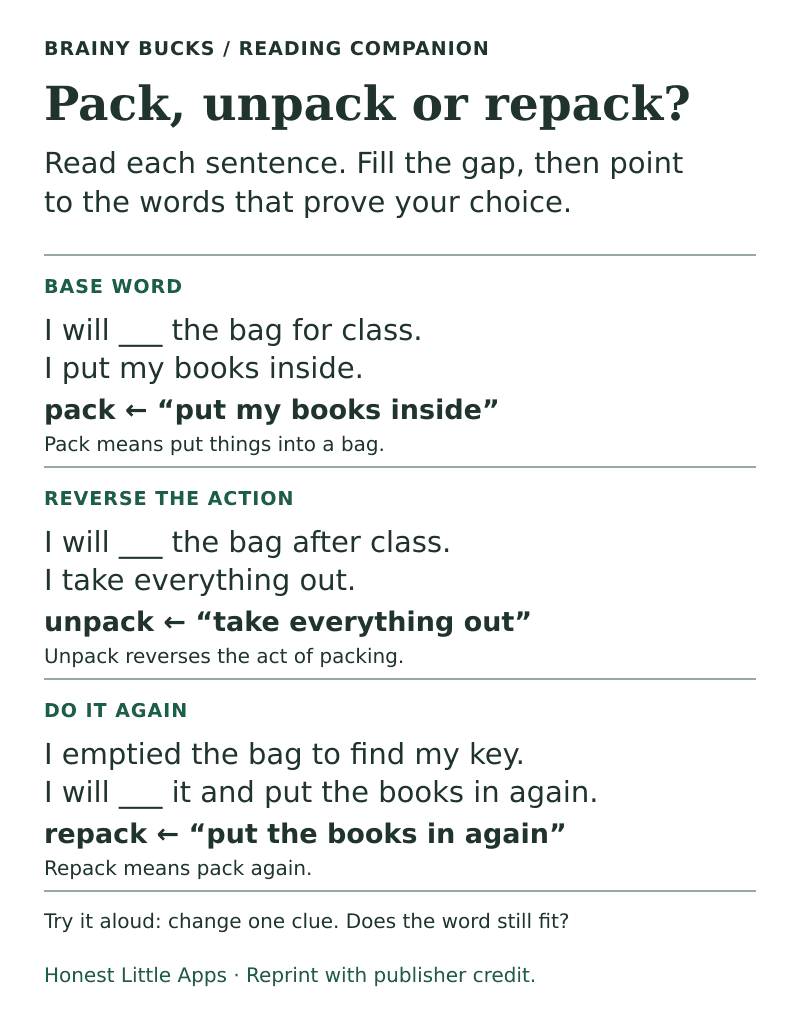
For a teacher or reading partner: ask the reader to say the base word first. After choosing the prefix, ask which phrase confirms the new meaning. For example, in “I will unroll the mat to lay it flat,” un- reverses the rolling and “lay it flat” explains why.
Paste this HTML into a page that accepts iframes. Readers can use the keyboard, and their choices reset on reload.
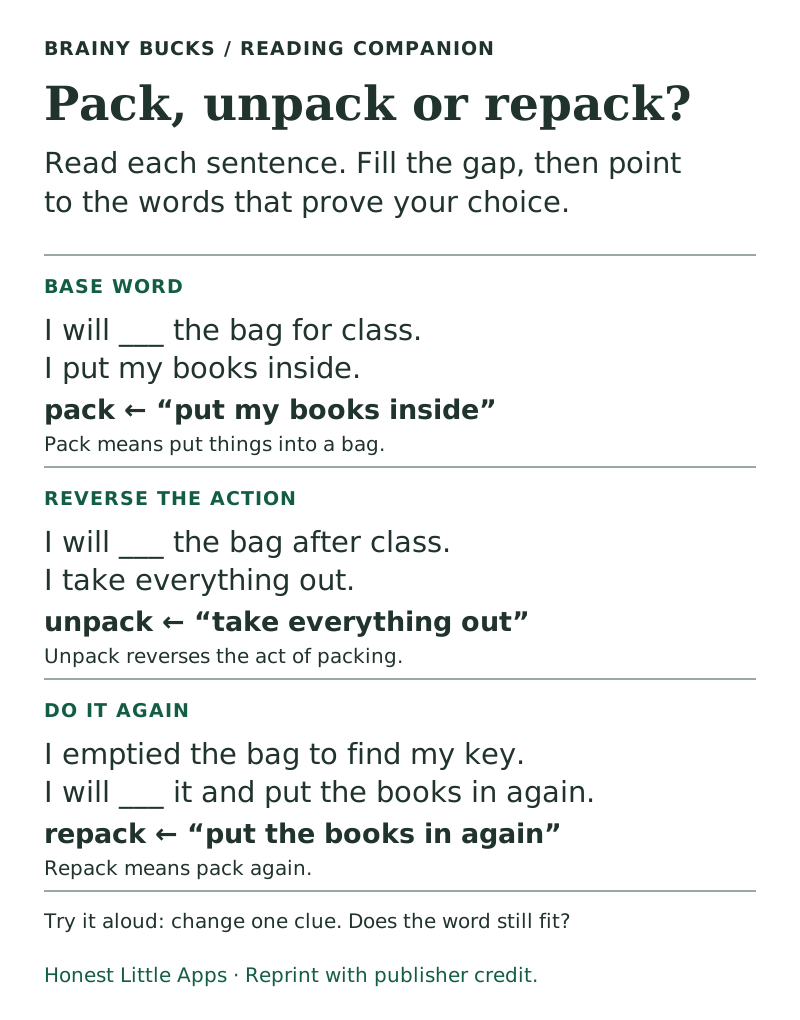
One bag, three verbs
For a newsletter or reading circle, cover each answer while a reader tries the sentence. Ask for the phrase that supports their choice.
Original Brainy Bucks reading companion by Honest Little Apps. Educators, libraries and newsletters may reprint or embed this graphic with credit to Honest Little Apps.
For a grown-up choosing the next activity: Brainy Bucks brings math and reading into short quests, with practice rewards and parent controls.
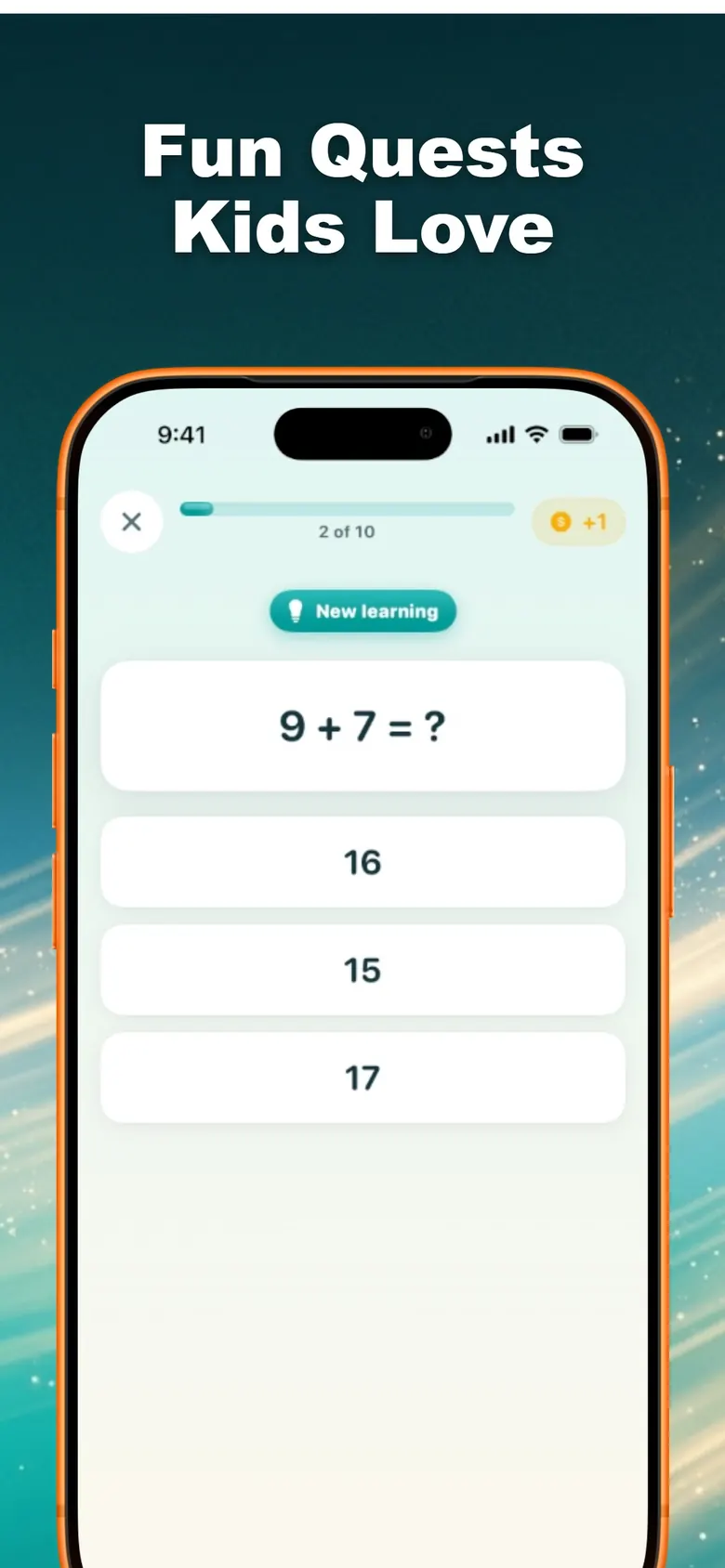
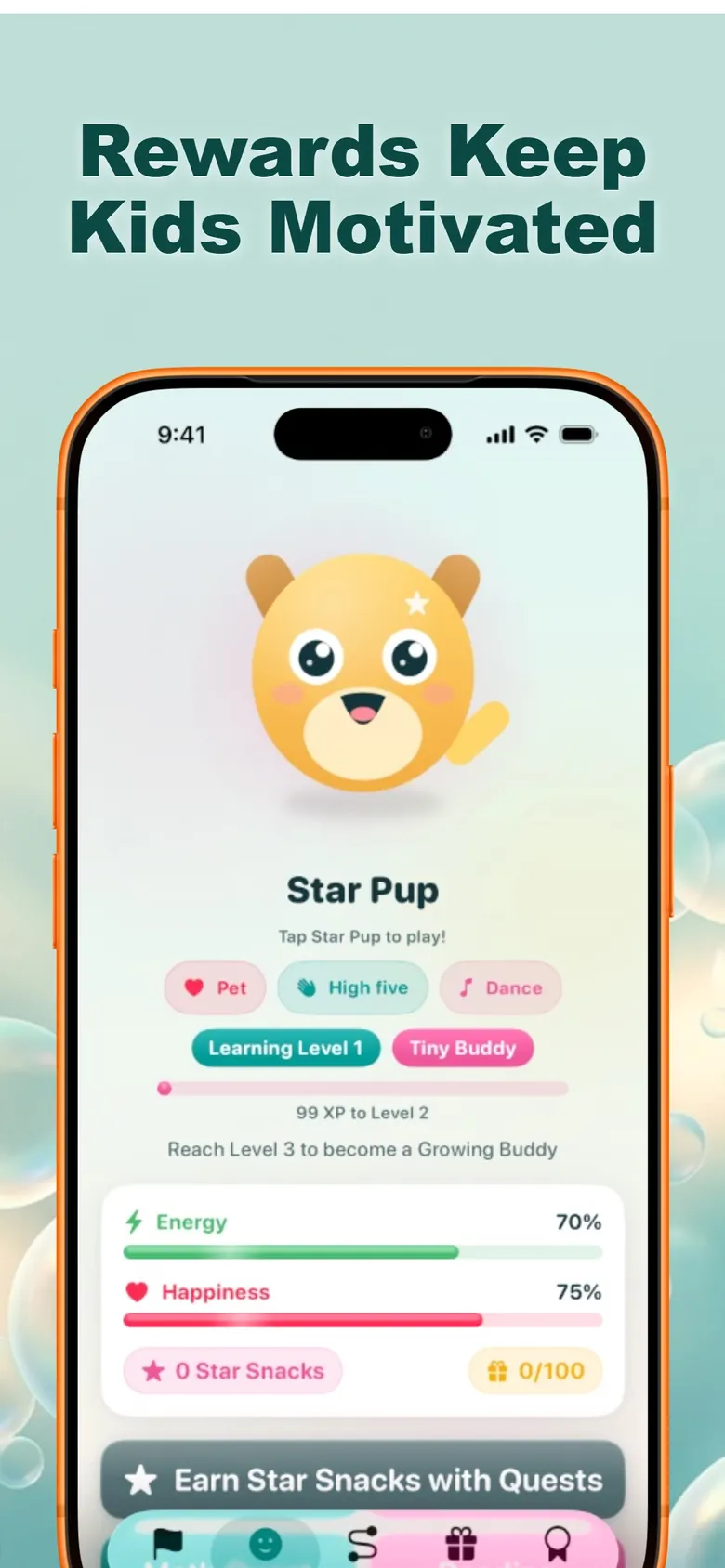
Quest questionA question, answer choices and a read-aloud control keep the next action clear.Brain BuddyA Brain Buddy gives practice a recurring character. Extra content and buddy growth options vary by plan.
App Store screenshots. Select a screen for a larger view. Example entries are shown; this webpage does not transfer its inputs into the app.
For grown-ups choosing the next activity
Math and reading in Brainy Bucks.
Brainy Bucks: Math & Reading includes vocabulary, context clues and original passages alongside math practice. The listing describes on-device read-aloud questions and a weekly learning plan for parents.
Free: a daily adaptive quest, three extra quests per day, hints, second tries, a weekly summary and learning plan are included in the current listing. Optional Plus: unlimited extra quests, a full practice library, more reports and activities. Monthly and yearly subscriptions auto-renew; a lifetime option is also listed. Check Apple for current local prices and requirements. iPhone and iPad; iOS/iPadOS 18+.
App facts checked November 5, 2026. These six passages are original to this web resource, not app screenshots or a reproduction of the native question set. Nothing here syncs to a child's app profile.
Open on your iPhone
On another device? Scan with your iPhone Camera, then tap the link.