Nap calculator
Lie down at 1:00. Wake up at the right time.
Pick when you are lying down. The calculator adds the minutes it takes to drift off and shows when to wake for each nap length, from a ten minute reset to a full ninety minute cycle.
Nothing is saved or sent. The times are worked out in this page.
The timer works while this tab stays open and your sound is on. For a nap with the phone locked, set your phone alarm to the time above.
Free tool from Small Health Habits
How the wake-up time is worked out
Three things add up: the time you lie down, the minutes it takes you to drift off, and the length of the nap you want. Lie down at 1:00 pm, allow ten minutes to fall asleep, aim for a twenty minute nap, and the alarm goes at 1:30 pm. Most people take between five and twenty minutes to fall asleep during the day, and the first time you try, it is worth timing yourself.
Which nap length suits what
| Length | What to expect |
|---|---|
| 10 minutes | Light sleep only. Easy to wake from, and a small lift in alertness for many people. |
| 20 minutes | The classic power nap. Still mostly light sleep, so waking is usually clean. |
| 30 minutes | Starts to drift into deeper sleep. Waking up can feel heavy for a while. |
| 60 minutes | More deep sleep. Often groggy on waking, with the benefit arriving after the fog clears. |
| 90 minutes | About one full sleep cycle, so you tend to wake from lighter sleep. Worth it when you are short of sleep and have time. |
Why a nap can leave you groggy
If the alarm lands while you are in deep sleep, you can wake up in a fog called sleep inertia. It often lasts somewhere between fifteen and thirty minutes. The usual way round it is to keep the nap short enough to stay out of deep sleep, or long enough to complete a cycle.
The coffee nap
Caffeine takes a while to start working, often twenty minutes or more. Some people drink a coffee or tea right before a 15 to 20 minute nap so the two kick in together. It does not suit everyone, and it is a bad idea late in the day, when caffeine can ruin the night.
When to nap
Early to mid afternoon fits the natural dip in alertness and leaves plenty of hours before bed. A nap close to bedtime can make it harder to fall asleep that night, which is why the calculator warns you if your nap ends within about six hours of your usual bedtime.
General information only, not medical advice. If you are very sleepy during the day despite getting enough sleep, or you fall asleep at risky moments, mention it to a doctor.
Questions people ask
How long should a power nap be?
Most sleep guidance suggests 10 to 20 minutes. That is short enough to stay in light sleep, so waking up is easier.
What time should I set my alarm for a nap?
Add the time you lie down, the minutes it takes to fall asleep, and the nap length. Lying down at 1:00 pm with 10 minutes to fall asleep and a 20 minute nap gives 1:30 pm.
Why do I feel groggy after a nap?
Waking from deep sleep causes sleep inertia, a groggy spell that often lasts 15 to 30 minutes. Naps of about 30 to 60 minutes are the most likely to end in deep sleep.
What is the best time of day to nap?
Early to mid afternoon suits most people. A late nap can make it harder to fall asleep at night.

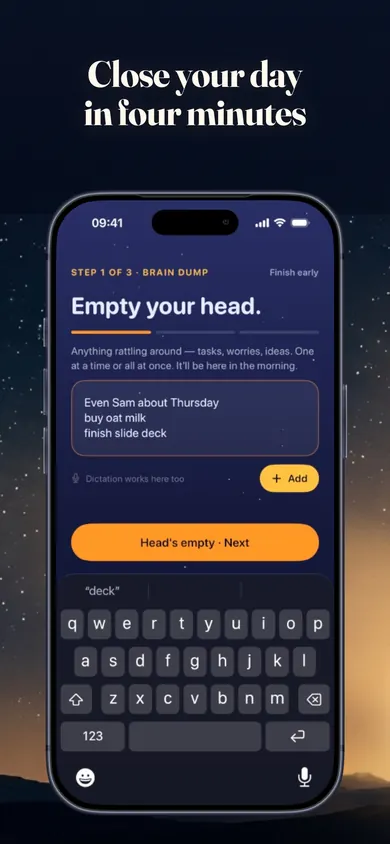
Close the day in four minutes
Sleepward: Bedtime Routine is an iPhone and iPad app for the evening itself. Its listing describes a four-minute evening reset with a Brain Dump and tomorrow's three things, then personal time that ends before the bedtime you chose, and a darkening wind-down with white, pink or brown noise.
Get Sleepward on the App StoreFree to download with in-app purchases. Optional Pro adds more soundscapes and world content; check the App Store for current prices. Sleepward is a routine app, not a treatment, and this page is general information, not medical advice.
Honest Little Apps publishes both Sleepward and this page. This is a separate browser tool and does not sync with the app. App details checked November 10, 2026.
On a computer? Open it on your iPhone