Heart rate zone calculator
Know what zone 2 actually means for you.
Enter your age. See your estimated maximum heart rate and the five zones from easy to all-out, as real numbers. Add your resting pulse for the more personal Karvonen method, or count it right here.
Sit still for a minute. Press start, then tap the big button with every beat you feel for 15 seconds.
Free tool from Small Health Habits
How the zones are calculated
The calculator first needs a maximum heart rate. The simplest estimate is 220 minus your age, which has been used for decades. A later study of many more people produced a formula that tends to fit better at older ages: 208 minus 0.7 times your age, known as the Tanaka formula. Either way it is an average, and individual maximums can sit ten or more beats above or below the figure. A measured maximum from a supervised test beats both.
The zones are then slices of that maximum. There are two ways to slice it:
- Percent of maximum. Zone 2 is 60 to 70 percent of the max. Simple, and needs only your age.
- Karvonen, or heart rate reserve. The zone is a percentage of the gap between your resting pulse and your maximum, added back onto your resting pulse. It adjusts for how fit you are, because a lower resting pulse widens the gap.
The five zones
| Zone | Share of max | How it feels |
|---|---|---|
| 1 | 50–60% | Very easy. You could chat all day. |
| 2 | 60–70% | Easy. Full sentences, breathing a little deeper. |
| 3 | 70–80% | Steady. Short sentences. |
| 4 | 80–90% | Hard. A few words at a time. |
| 5 | 90–100% | All out. Only for short efforts. |
Use the talk test as a check
Numbers are estimates, and heat, sleep, caffeine, stress and illness all move your pulse. If the numbers say zone 2 and you cannot hold a conversation, trust your breathing. The talk test is a good sanity check for the lower zones.
How the pulse counter works
Count the beats for 15 seconds and multiply by four. It is quickest to measure first thing in the morning, before you get up, on a few days, and take the typical value.
General information, not medical advice. Some medicines, including beta blockers, lower heart rate and make these formulas unreliable. If you have a heart condition, are new to exercise or have symptoms such as chest pain or dizziness, talk to a doctor before training by heart rate.
Questions people ask
How do I calculate my heart rate zones?
Estimate your maximum heart rate, for example 220 minus your age, then take percentages of it: 50 to 60 for zone 1, 60 to 70 for zone 2, 70 to 80 for zone 3, 80 to 90 for zone 4 and 90 to 100 for zone 5.
What is the Karvonen formula?
Target heart rate equals resting heart rate plus a percentage of your heart rate reserve, which is maximum minus resting. It adjusts the zones for your fitness.
Is 220 minus age accurate?
It is an average. Individual maximum heart rates can differ from it by ten or more beats per minute, so treat the zones as a guide and use how you feel as a check.
What heart rate is zone 2?
Zone 2 is usually 60 to 70 percent of maximum heart rate, or the equivalent band when using the Karvonen method. At that effort you can still speak in full sentences.

Numbers are the easy part. Showing up is the plan.
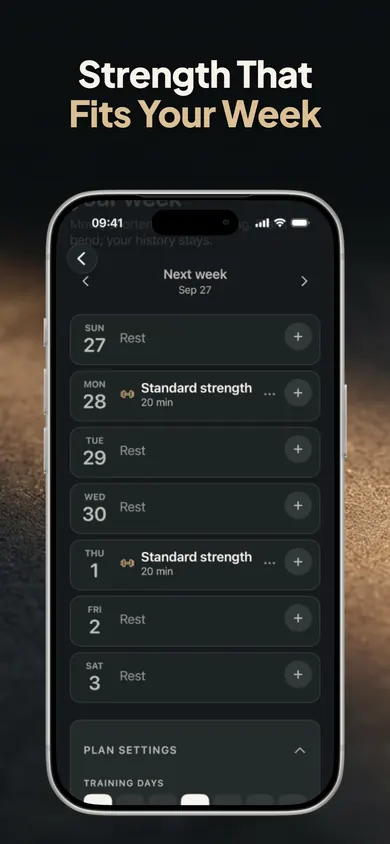
Sturdy is an iPhone strength training planner and protein log for adults using GLP-1 or other prescribed weight-management medication. Its listing describes a Quick Movement session of about five minutes and Standard Strength sessions, with a missed day left unfilled, not marked as a failure.
Get Sturdy on the App StoreFree to download with in-app purchases; iOS/iPadOS 18 or later. Sturdy does not diagnose, treat or prevent any condition or give medication advice. If you have a medical condition, recent injury, dizziness or pain, check with your clinician before exercising.
Honest Little Apps publishes both Sturdy and this page. This is a separate browser tool and does not sync with the app. App details checked November 10, 2026.
On a computer? Open it on your iPhone