1RM calculator
Your one-rep max, without lifting it
Enter a weight and how many clean reps you did with it. You get an estimated one-rep max, the weights to use at each percentage, and which plates go on the bar.
Use a set that was hard but tidy, with a rep or two left. An estimate from 3 to 8 reps is the most reliable. Nothing you enter is saved or sent.
| % of max | Weight | Typical reps |
|---|
Tap a row to see the plates for that weight. Estimates assume a 20 kg (45 lb) bar.
Free tool from Small Health Habits
How the estimate works
The heavier a weight is relative to your maximum, the fewer times you can lift it. Coaches have turned that relationship into formulas that run it backwards: from a weight and a rep count to the single you could probably manage.
- Epley: weight × (1 + reps ÷ 30)
- Brzycki: weight × 36 ÷ (37 − reps)
The two agree closely at low reps and drift apart as reps climb. Past ten reps, both become guesses, because endurance starts to matter more than strength.
Why estimate instead of testing?
A true one-rep max means lifting the heaviest weight you can, once. That takes good technique, a spotter, and joints that are ready for it. An estimate from a set you would do anyway gives a number that is close enough to plan training, with none of the risk of a grinding maximal attempt.
Using the percentages
Most programmes prescribe loads as a share of your max. Heavier and fewer reps builds maximal strength; moderate loads for more reps build muscle; lighter loads are for technique, warm-ups and easier days. The rep ranges in the table are typical, not rules. The right weight is one you can move well for every rep.
A word of caution
These numbers are arithmetic, not instructions. If you are new to lifting, coming back from a break, losing weight quickly, or managing a health condition, start lighter than the table says and build up. Stop if something hurts, and check with your clinician before starting a strength programme if you have any doubt.
Questions people ask
How do I calculate my one-rep max?
Use a formula on a set you have already done. With the Epley formula, multiply the weight by 1 plus the reps divided by 30. For 60 kg lifted 6 times: 60 × 1.2 = 72 kg.
Which 1RM formula is most accurate?
Epley and Brzycki are the most widely used and agree closely below about eight reps. Averaging them, as this calculator does by default, smooths out the difference.
Should beginners test their one-rep max?
It is usually better to estimate it from a comfortable set of three to eight reps. A true maximal lift needs solid technique and a spotter.

Numbers are the easy part. Showing up is the plan.
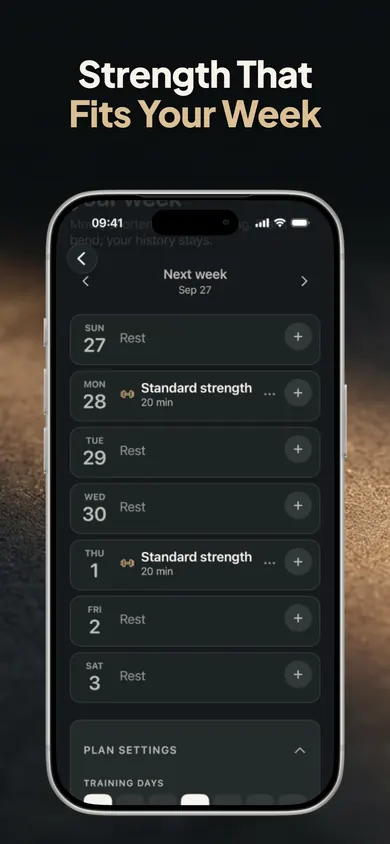
Sturdy is an iPhone strength training planner and protein log for adults using GLP-1 or other prescribed weight-management medication. Its listing describes a Quick Movement session of about five minutes and Standard Strength sessions, with a missed day left unfilled, not marked as a failure.
Get Sturdy on the App StoreFree to download with in-app purchases; iOS/iPadOS 18 or later. Sturdy does not diagnose, treat or prevent any condition or give medication advice. If you have a medical condition, recent injury, dizziness or pain, check with your clinician before exercising.
Honest Little Apps publishes both Sturdy and this page. This is a separate browser tool and does not sync with the app. App details checked November 10, 2026.
On a computer? Open it on your iPhone